What Property Does The Aperture Control

Focal Point Frenzy: The Aperture's Wild Ride Ever wondered what that little hole in your camera is up to? It's not just a peephole for your lens, oh no, it's the ringmaster o...
Focal Point Frenzy: The Aperture's Wild Ride
Ever wondered what that little hole in your camera is up to? It's not just a peephole for your lens, oh no, it's the ringmaster of your photo's circus! Meet the aperture, the camera's secret showstopper.
Size Matters
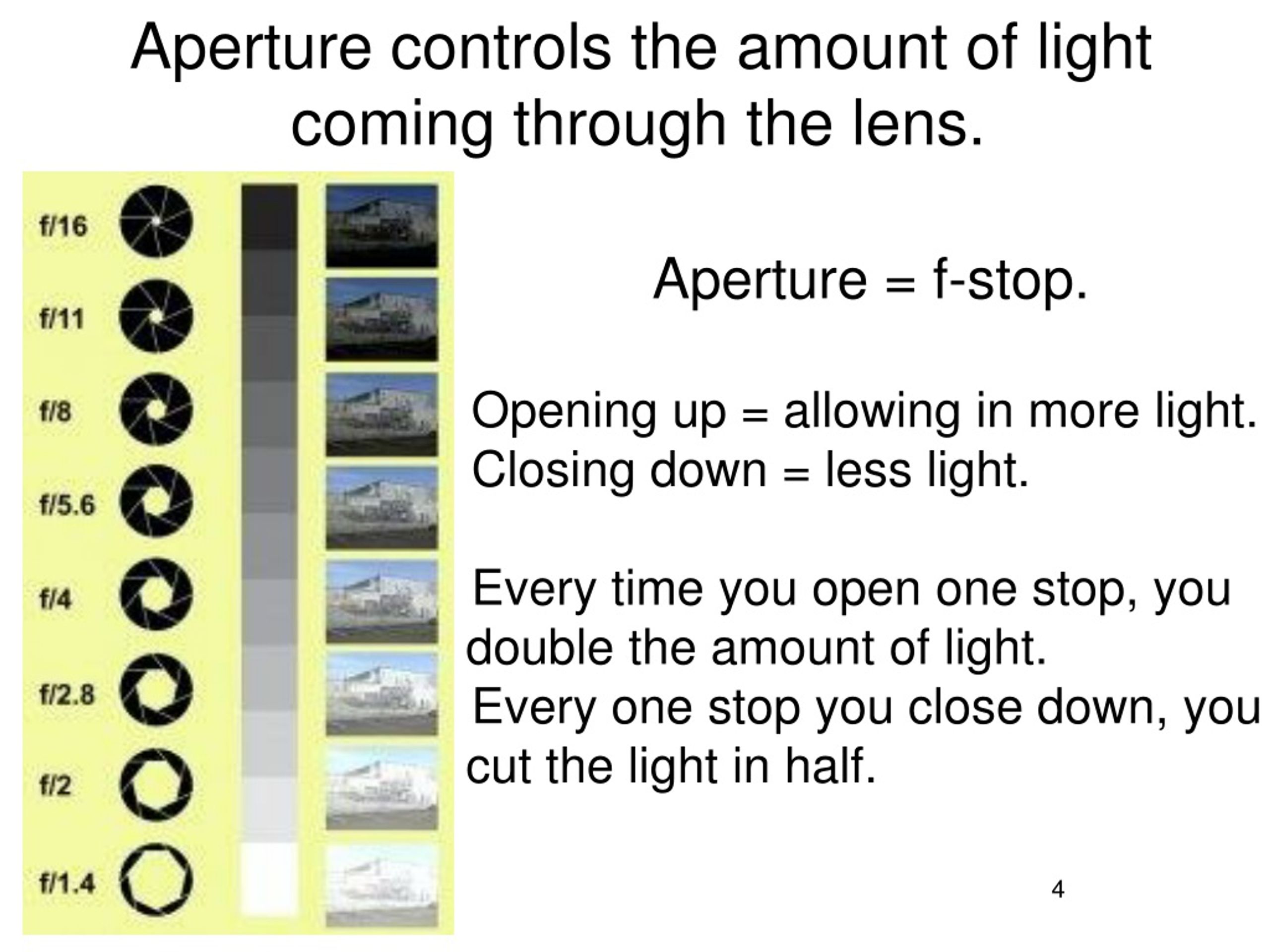
Imagine your aperture as a camera's version of Goldilocks. Too small, and it's like she's in a dark cave, not enough light. Too big, and it's like she's in a blindingly bright room, overwhelmed. But just right, and she's happy as a clam, capturing the perfect shot.
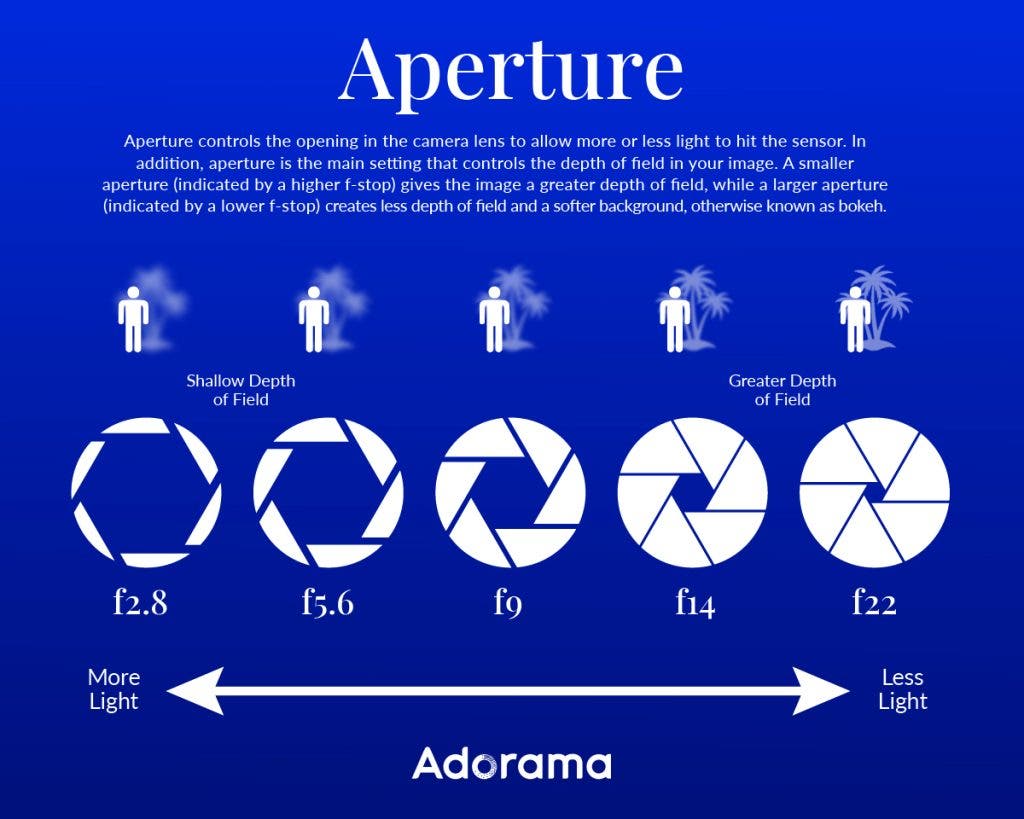
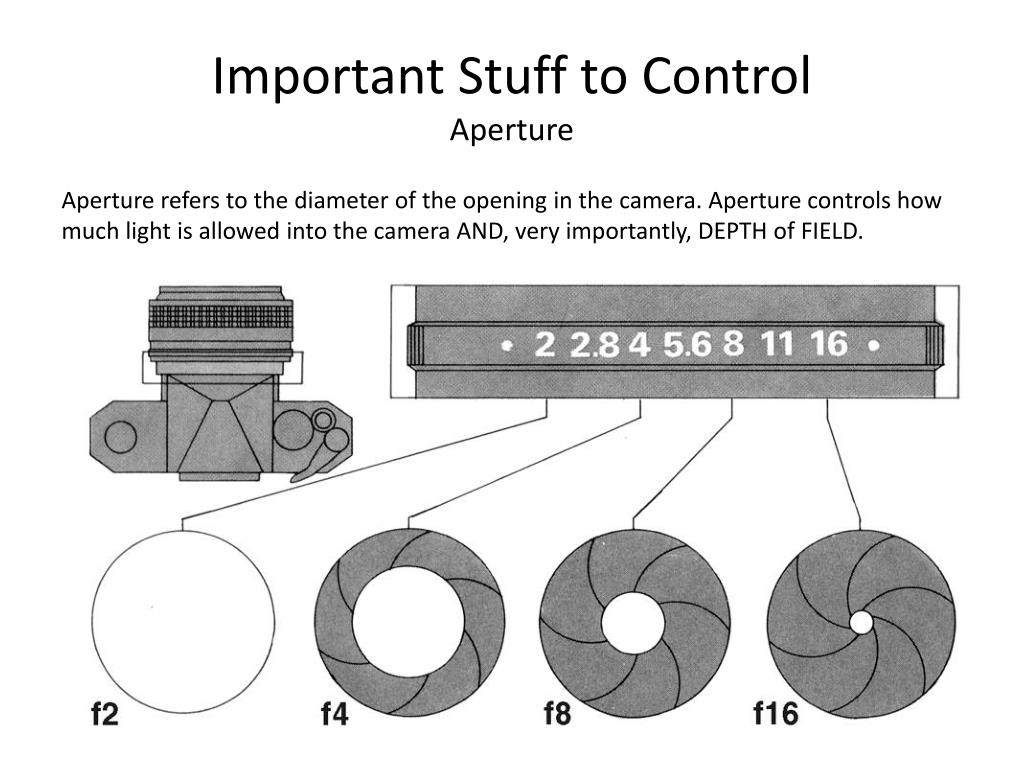
That's where aperture comes in. It's the gatekeeper of light, controlling how much or how little gets into your camera. It's measured in f-stops, a fancy term for 'how wide open it is'. The smaller the f-number, the wider the aperture, and the more light it lets in. It's like a camera's version of a rave, with light pouring in!
Must Read
Depth of Field: The Magic Trick
Now, here's where things get really interesting. Remember Goldilocks? She liked her porridge, her chair, and her bed 'just right'. Aperture does the same for focus. With a wide aperture, you get a shallow depth of field, meaning only a small slice of your photo is in focus, like a spotlight on your subject. It's like having your own little stage production in every shot!
But flip the script, make your aperture small, and you get a deep depth of field. Now, everything from the foreground to the background is in focus. It's like a panoramic painting, with every detail crystal clear. It's like your camera's saying, "I see you, and I see everything else too!"
 Essential Camera Settings Cheat Sheets for Photographers - Adorama
Speed Dating: Aperture and Shutter Speed
You might be thinking, "This is all well and good, but what about my shutter speed?" Well, hold onto your hats, because here's where things get really fun. Aperture and shutter speed are like a dynamic duo, working together to create the perfect exposure.
See, when you let more light in with a wide aperture, you can use a faster shutter speed. It's like they're in a race, with aperture opening the door and shutter speed dashing through. This is great for catching quick moments, like a cheetah on the prowl or a hummingbird in flight.
 PPT - Photography Basics PowerPoint Presentation, free download - ID
But if you're in a low-light situation, you might need to slow things down. A smaller aperture lets in less light, so you'll need a slower shutter speed to get the right exposure. It's like they're working together to create the perfect balance, like a well-choreographed dance.
Bokeh: The Glitter on Your Photo Cake
Now, let's talk about bokeh. It's like the cherry on top of your photo sundae, the glitter that makes your pictures sparkle. Bokeh is the quality of the blur in your out-of-focus areas, and it's heavily influenced by your aperture.
 CAMERA BASICS Photography and Modeling Society October 7
With a wide aperture, you get those beautiful, creamy, out-of-focus backgrounds that make your subject pop. It's like having your own personal assistant, blurring out the distractions and keeping the focus on what really matters. And the best part? You can control it with just a twist of your aperture ring!
So, What's Your Focal Point?
Now that you know the aperture's secret, it's time to get out there and play! Try out different f-stops, see how they change your depth of field, and watch as your photos transform. It's like having a new superpower, and trust me, it's a lot more fun than being able to fly.
So, go on, experiment, and have fun! Your camera's waiting, and it's got a whole new world of aperture adventures to show you. And who knows, you might just capture something amazing along the way.

